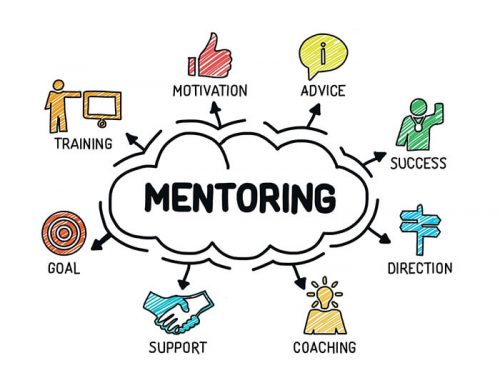
A strong mentor does more than give advice. A strong mentor offers a young person a steady relationship, a safe place to think out loud and practical support as they discover who they are becoming.
Mentoring can be especially valuable during major transitions—moving through school, exploring careers, entering the workplace or preparing for adulthood. Youth.gov emphasizes that close, healthy and sustained relationships are central to successful mentoring. The goal is not to control a young person’s future. It is to help them recognize their strengths, make informed choices and take their next step with greater confidence.
Start with presence—not perfect answers
Young people do not need mentors who know everything. They need adults who are dependable, curious and willing to listen. Before offering solutions, ask questions such as:
- What interests you right now?
- What is something you would like to become better at?
- What feels confusing or difficult about your next step?
- What kind of support would be helpful?
Listening communicates respect. It also keeps mentoring centered on the young person’s goals instead of the mentor’s assumptions.
Six practices that make mentoring meaningful
1. Be consistent
Keep appointments, respond when promised and communicate early when plans must change. Trust grows when a young person learns that your words and actions match.
2. Listen before leading
Ask open questions and give the young person room to form an answer. Good mentoring helps youth practice decision-making rather than making every decision for them.
3. Connect interests to possibilities
A casual interest can become a career clue. Help the young person explore occupations, training programs, workplace expectations and educational pathways connected to what already holds their attention.
4. Create opportunities to practice
Confidence develops through experience. Practice introductions, workplace communication, problem-solving, asking for help and receiving feedback. When possible, provide appropriate career exposure through job shadowing, informational interviews or supervised work-based learning.
5. Respect boundaries and program structure
Safe mentoring requires clear expectations, appropriate boundaries, training and support. Formal programs should include screening, preparation, supervision and a process for addressing concerns. MENTOR’s Elements of Effective Practice for Mentoring provides research-informed guidance for building safe, effective mentoring relationships.
6. Notice and celebrate growth
Progress may look like asking a question, trying a new task, recovering from a mistake or speaking with more confidence. Name the growth you see. Specific encouragement helps a young person recognize that development is already happening.
Mentoring can happen through the workplace
Employers and workplace supervisors can have a powerful mentoring influence when they provide meaningful tasks, clear instructions, constructive feedback and a safe environment for learning. Youth.gov notes that different young people benefit from different mentoring settings, including school-based, community-based and job-based relationships.
For a student who is exploring work, one patient supervisor can help make professional expectations understandable. A well-supported workplace experience can teach communication, responsibility, self-advocacy and the connection between personal interests and real career options.
A practical first step
If you want to mentor a young person, begin with a structured organization, school or community program that offers screening, training and clear expectations. If your business would like to support career exploration, consider becoming a worksite partner.
Mentoring Me Inc. coordinates individualized employment and transition services for students with disabilities ages 14–21 who are enrolled in school, along with adult employment services beginning at age 16 based on eligibility and VR authorization. We help prepare participants and coordinate supported workplace experiences with employer partners.
Sources: MENTOR: Elements of Effective Practice for Mentoring; Youth.gov: Benefits of Mentoring for Young People; Youth.gov: Types of Mentoring Relationships.